
Disclaimer: This article provides general guidance on pet poisoning emergencies in Malaysia. It is not a substitute for veterinary care. If you suspect your pet has ingested something toxic, contact your vet or nearest emergency clinic immediately.
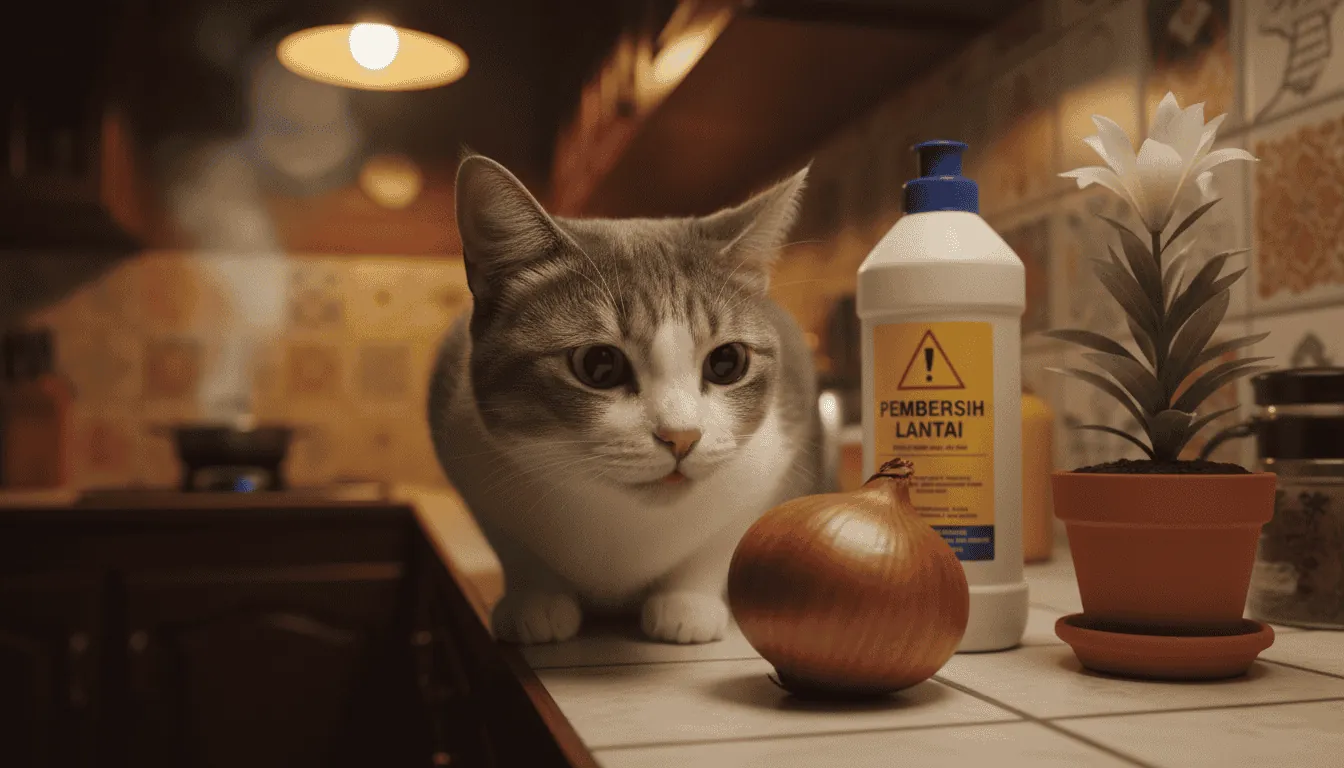
Your cat just jumped off the kitchen counter with lily pollen on her whiskers. Your dog ate half a bar of dark chocolate while you weren't looking. Your kitten was playing near the floor cleaner and is now drooling uncontrollably. Poisoning is one of the most time-sensitive pet emergencies, and knowing what to do (and what NOT to do) in the first few minutes can save your pet's life.
This guide covers the most common things that poison cats and dogs in Malaysia, the symptoms to watch for, and exactly what to do before you reach the vet.
Here's what we'll cover:
- What to do immediately if you suspect poisoning
- Toxic foods (what's in your kitchen that can kill your pet)
- Toxic plants (common in Malaysian homes and gardens)
- Household chemicals and medications
- Symptoms by toxin type
- How pet insurance covers poisoning emergencies
What to Do Immediately
If you suspect your pet has ingested something toxic, follow these steps in order.
| Step | What to Do | Why |
|---|---|---|
| 1. Remove the source | Take the toxic substance away from your pet immediately. Move your pet away from the area. | Prevent further ingestion. |
| 2. Identify what was eaten | Check the packaging, the plant, or the food item. Take a photo or bring it with you. | The vet needs to know exactly what was ingested to treat effectively. |
| 3. Note the time and amount | Estimate when it happened and how much your pet consumed. | Treatment depends on how long ago ingestion occurred. |
| 4. Call the vet immediately | Call your nearest vet or 24-hour emergency clinic. Describe what was eaten. | The vet will tell you whether to come in immediately or monitor at home. |
| 5. Do NOT induce vomiting | Unless your vet specifically tells you to. Some substances cause more damage coming back up. | Corrosive chemicals, petroleum products, and sharp objects should not be vomited. |
| 6. Collect any vomit | If your pet has vomited, put it in a sealed bag and bring it to the vet. | Helps the vet identify what was ingested. |
Never give your pet milk, water, salt water, cooking oil, or any home remedy without vet instructions. These can make the situation worse. The only correct response is: identify, call vet, follow their instructions, go to the clinic.
Toxic Foods: What's in Your Kitchen
Many common foods that are perfectly safe for humans are toxic to cats and dogs. Here are the most dangerous ones found in Malaysian kitchens.
Foods Toxic to Both Cats and Dogs
| Food | Why It's Dangerous | Symptoms |
|---|---|---|
| Chocolate | Contains theobromine and caffeine. Dark chocolate and baking chocolate are the most dangerous. Dogs are most commonly affected. | Vomiting, diarrhoea, rapid breathing, increased heart rate, seizures. Can be fatal. |
| Onion and garlic | All allium family members (onion, garlic, shallots, leeks, spring onions) destroy red blood cells. Cats are more susceptible than dogs. Even small amounts in cooked food can be harmful. | Lethargy, pale gums, decreased appetite, red or brown urine. Symptoms may take 2-5 days to appear. |
| Grapes and raisins | Can cause sudden kidney failure in dogs. The exact toxic compound is still not fully understood. Even small amounts can be dangerous. | Vomiting, diarrhoea, lethargy, decreased urination, kidney failure. |
| Xylitol (artificial sweetener) | Found in sugar-free gum, candy, toothpaste, and some peanut butter brands. Extremely toxic to dogs. Causes rapid insulin release and liver failure. | Vomiting, weakness, collapse, seizures. Symptoms can appear within 15-30 minutes. |
| Caffeine | Coffee, tea, energy drinks. Stimulates the heart and nervous system. | Restlessness, rapid breathing, heart palpitations, muscle tremors. |
| Alcohol | Beer, wine, spirits, and any food containing alcohol. Even small amounts affect pets more severely than humans. | Vomiting, diarrhoea, difficulty breathing, coma. Can be fatal. |
| Macadamia nuts | Toxic to dogs. Exact mechanism unknown. Often found in cookies and baked goods. | Weakness (especially hind legs), vomiting, tremors, fever. Usually resolves in 24-48 hours. |
| Cooked bones | Cooked bones splinter and can perforate the stomach or intestines. Chicken bones are especially dangerous. | Choking, vomiting, bloody stool, abdominal pain. |
Malaysian Kitchen Specifics
Some items common in Malaysian cooking deserve special attention.
| Item | Risk |
|---|---|
| Bawang merah/putih (onion/garlic) in cooking | Present in almost every Malaysian dish. Don't feed leftover nasi goreng, curry, or rendang to pets. Even cooked onion and garlic are toxic. |
| Roti canai / naan with garlic | Garlic bread and garlic naan contain concentrated garlic. Keep away from pets. |
| Durian | Not toxic itself, but the high fat and sugar content can cause pancreatitis and stomach upset. Keep durian waste secured. |
| Ikan masin (salted fish) | Very high sodium content. Can cause salt toxicity, especially in cats and small dogs. |
| Sambal belacan | Contains onion, garlic, and chilli. The combination is harmful. Don't leave open sambal accessible to pets. |
Toxic Plants: Common in Malaysian Homes and Gardens
Most Dangerous Plants
| Plant | Danger Level | What It Does |
|---|---|---|
| Lilies (Lilium and Hemerocallis) | Fatal to cats. The #1 plant poisoning risk. | All parts are toxic, including the pollen, petals, leaves, and even the water in the vase. Causes irreversible kidney failure. A cat brushing against lily pollen and grooming it off can be fatal. |
| Sago palm (Cycas revoluta) | Fatal to dogs and cats. | Common ornamental plant in Malaysian gardens and condos. All parts toxic, especially the seeds. Causes liver failure. Even a small amount can be deadly. |
| Oleander | Fatal to dogs and cats. | Common roadside and garden plant. All parts extremely toxic. Affects the heart. Even chewing a leaf can be lethal. |
| Dieffenbachia (Dumb Cane) | Moderate to severe | Very popular indoor plant in Malaysia. Causes intense burning and swelling of the mouth and throat. Can obstruct breathing. |
| Aloe vera | Moderate (cats especially) | The white latex layer is toxic to cats. Causes vomiting, diarrhoea, and tremors. Common household plant. |
| Pothos / Money Plant (Epipremnum aureum) | Moderate | One of the most common houseplants in Malaysia. Causes oral irritation, drooling, and vomiting if chewed. |
| Philodendron | Moderate | Common indoor plant. Contains calcium oxalate crystals that cause mouth pain, drooling, and difficulty swallowing. |
If you have a cat, never have lilies in your home. Not on the table, not as a gift, not even in a room the cat "doesn't go into." The risk is too high. For a list of safe alternatives, see our non-toxic indoor plants guide.
Safe Plant Alternatives
| Safe Plant | Notes |
|---|---|
| Spider plant (Chlorophytum) | Non-toxic. Great hanging plant, out of reach but safe if chewed. |
| Orchids (Phalaenopsis) | Non-toxic. Popular in Malaysia and safe for cats and dogs. |
| Pandan | Non-toxic. Cats even enjoy chewing the leaves. |
| African violet | Non-toxic. Colourful and safe. |
| Boston fern | Non-toxic. Thrives in Malaysia's humidity. |
Worried about unexpected vet bills? 🐾
With Oyen Pet Insurance, you can claim up to 90% of vet bills at any licensed clinic in Malaysia — from as low as RM30.60/month.
Policy terms and conditions apply.
Household Chemicals and Medications
Common Household Poisons
| Substance | Where It's Found | Risk Level |
|---|---|---|
| Rat poison (rodenticides) | Common in Malaysian homes, restaurants, and food courts. Pets can eat the bait or eat a poisoned rat. | Fatal. Causes internal bleeding. Symptoms may take 2-5 days to appear. |
| Insecticide sprays and coils | Mosquito coils, cockroach spray, ant poison. Very common in Malaysian homes. | Moderate to severe. Can cause drooling, tremors, and seizures. Cats are more sensitive than dogs. |
| Bleach and cleaning products | Floor cleaners, toilet cleaners, Dettol (contains phenol, toxic to cats) | Moderate. Burns to mouth and throat. Dettol is especially dangerous for cats. |
| Antifreeze (ethylene glycol) | Car coolant. Tastes sweet, so pets may drink it willingly. | Fatal. Causes kidney failure. Even a small lick can kill a cat. |
| Essential oils | Tea tree, eucalyptus, peppermint, citrus oils. Used in diffusers and home fragrances. | Moderate. Cats lack the liver enzymes to process many essential oils. Symptoms: drooling, wobbling, difficulty breathing. |
Human Medications (Never Give to Pets)
| Medication | What It Does to Pets |
|---|---|
| Paracetamol (Panadol) | Fatal to cats. Even one tablet can kill a cat. Destroys red blood cells and causes liver failure. Can also be fatal to small dogs. |
| Ibuprofen (Advil/Nurofen) | Causes stomach ulcers and kidney failure in both cats and dogs. Small amounts can be lethal to cats. |
| Antidepressants | Can cause vomiting, serotonin syndrome (elevated temperature, tremors, seizures), and heart problems. |
| ADHD medications | Stimulants that cause tremors, seizures, elevated heart rate, and elevated body temperature. Even small amounts are dangerous. |
| Birth control pills | Generally low toxicity for a single pill, but large amounts can affect bone marrow in cats. Keep all medications secured. |
Never give your pet any human medication. Even medications that are safe for humans can be fatal to pets. If your pet is in pain, see a vet for pet-safe pain management. For more on pet first aid supplies, see our first aid kit guide.
Symptoms by Toxin Type
Different poisons cause different symptoms. This can help you and your vet identify what was ingested.
| Symptoms | Possible Toxin | Urgency |
|---|---|---|
| Drooling, pawing at mouth, swollen tongue | Toxic plant (dieffenbachia, philodendron), chemical burn | Vet same day |
| Vomiting + diarrhoea (sudden onset) | Food toxin (chocolate, onion, grapes), household chemicals | Vet within hours |
| Seizures, tremors, muscle twitching | Insecticide, rat poison (secondary), medication overdose | Emergency. Go now. |
| Pale gums, weakness, lethargy (developing over days) | Onion/garlic toxicity (red blood cell destruction), rat poison (internal bleeding) | Emergency. Symptoms delayed but serious. |
| Increased thirst, decreased urination | Lily (cats), antifreeze, grapes (kidney damage) | Emergency. Kidney failure developing. |
| Difficulty breathing, blue gums | Paracetamol (destroys haemoglobin in cats), chemical inhalation | Emergency. Go now. |
| Bruising, blood in stool or urine | Rat poison (anticoagulant type) | Emergency. Internal bleeding. |
| Wobbling, disorientation, "drunken" walk | Antifreeze, essential oils (cats), alcohol | Emergency. |
Preventing Poisoning at Home
| Area | What to Do |
|---|---|
| Kitchen | Never feed table scraps containing onion, garlic, or chocolate. Keep food scraps secured. Close rubbish bins with lids. |
| Bathroom/laundry | Store all cleaning products in closed cabinets. Keep toilet lids down (dogs may drink cleaning chemicals). |
| Living areas | Audit your plants. Remove lilies, sago palms, and dieffenbachia if you have pets. Store medications in closed containers on high shelves. |
| Garden/outdoor | Use pet-safe pest control. If neighbours use rat poison, keep your pet supervised outdoors. Check your garden for oleander and sago palm. |
| Car/garage | Wipe up antifreeze spills immediately. Store chemicals on high shelves or in locked cabinets. |
Does Pet Insurance Cover Poisoning?
The answer depends on what caused the poisoning.
| Poisoning Scenario | Covered by Oyen? |
|---|---|
| Accidental poisoning (ate a toxic plant, ingested cleaning product) | Accident claims are covered from Day 1 with no waiting period. Treatment costs for the poisoning itself are generally covered, subject to the exclusions list and claims review. |
| Foreign object ingestion | Not covered. Foreign object ingestion (eating non-food items) is on the exclusions list. |
Emergency poisoning treatment can easily cost RM500-3,000+ depending on the toxin, the severity, and whether hospitalisation is needed. Having pet insurance means the cost doesn't delay the decision to get treatment. For details on submitting a claim after an emergency, see our claims guide.
FAQ
My dog ate chocolate. What should I do?
Call your vet immediately. The danger depends on the type (dark > milk > white) and amount relative to your dog's size. A small dog eating dark chocolate is an emergency. Bring the packaging to the vet so they can calculate the theobromine dose. Don't wait for symptoms.
My cat rubbed against a lily. Is that dangerous?
Yes. Even lily pollen on a cat's fur is dangerous because cats groom themselves and ingest the pollen. Wash the pollen off immediately with damp paper towels and call your vet. Lily poisoning causes kidney failure in cats and can be fatal without prompt treatment.
Should I make my pet vomit if they ate something toxic?
Only if your vet specifically instructs you to. Some toxins (corrosive chemicals, petroleum products) cause more damage when vomited. Call your vet first. They'll assess whether inducing vomiting is safe based on what was eaten and how long ago.
Are mosquito coils toxic to cats?
Yes. Mosquito coils contain insecticides (pyrethroids) that cats are more sensitive to than dogs. Smoke from burning coils in enclosed spaces can cause respiratory irritation, drooling, and neurological symptoms. Use pet-safe alternatives or ensure good ventilation.
Can I give my cat Panadol for pain?
Absolutely not. Paracetamol (Panadol) is fatal to cats. Even one tablet can kill a cat by destroying their red blood cells and causing liver failure. Never give any human medication to your pet. See a vet for pet-safe pain relief.
My cat is drooling after chewing a plant. Is this an emergency?
It depends on the plant. If it's a lily, sago palm, or oleander, rush to the vet immediately. If it's a less toxic plant like dieffenbachia or pothos, the drooling is from mouth irritation and usually resolves, but call your vet for guidance. Bring a photo or sample of the plant.
How quickly do poisoning symptoms appear?
It varies widely. Some toxins (chocolate, xylitol) cause symptoms within 15-30 minutes. Others (onion, garlic, rat poison) may not show symptoms for 2-5 days. Don't wait for symptoms before calling the vet. If you know or suspect ingestion, act immediately.
Is rat poison dangerous if my cat eats a poisoned rat?
Yes. This is called secondary poisoning. If a rat has eaten anticoagulant rat poison and your cat then eats the rat, the poison transfers. Watch for signs of internal bleeding (pale gums, lethargy, bruising, blood in stool) and see a vet immediately.
Are essential oil diffusers safe around cats?
Many are not. Cats lack certain liver enzymes needed to metabolise essential oils. Tea tree, eucalyptus, peppermint, citrus, and pine oils are particularly dangerous. If you use a diffuser, keep it in a well-ventilated room your cat doesn't spend much time in, and watch for signs of drooling, coughing, or wobbling.
What's the most common pet poisoning in Malaysia?
Based on vet reports, the most common causes include rat poison (especially in landed homes and areas near restaurants), insecticide products (mosquito coils and cockroach baits), human food containing onion and garlic, and toxic plants (particularly lilies for cats). Dogs are more commonly poisoned overall because of their less selective eating habits.
Protecting Your Pet Starts Here
Most pet poisonings are preventable. Audit your home for toxic plants, store chemicals securely, and never feed table scraps without checking what's in them. But accidents happen, and when they do, fast treatment is everything.
Oyen covers cats and dogs at any licensed vet in Malaysia. Accident claims are covered from Day 1 with no waiting period, and coverage goes up to RM10,000/year.
Check your pet's eligibility now - it takes less than 2 minutes.
Related guide: How To Take Care Of A Kitten