Thara
We usually reply within 1 working day (Mon-Fri, 9am-5pm) 😊
Customer Care Team
Hi there
How can i help you today?
Start Whatsapp Chat
Locate your nearest vet with the new Oyen Vet Finder!
Find Vet Now

How to Train Your Dog in Malaysia: Best Trainers & Tips (2026)

Expert for this article

✈️ Are you travelling soon?

Your phone number
Get a special pet boarding discount from us! 🤩
‍
Nickname
Email
Where are you going?
When are you travelling?

Thank you! Your submission has been received!
Oops! Something went wrong while submitting the form.
Table of content

How to Train Your Dog in Malaysia: Best Trainers & Tips (2026)

Training your dog in Malaysia isn’t rocket science, but it does take patience, a bit of structure, and—let’s be honest—a fair amount of trial and error. Sure, you can teach the basics at home, but most owners see better results when they follow a clear plan and maybe tap into the wisdom of an experienced trainer. If you want your dog to really “get it” here in Malaysia, you’ll need steady practice, plenty of praise, and, sometimes, the guidance of a local expert.

There’s quite a range of options: obedience classes, puppy socialization, fixing problem behaviors, even advanced stuff for the overachievers. Places like Leowon Whisperer in Selangor focus on structured obedience, while lists such as the top dog training centers in Malaysia cover choices all over the country. Your best pick really depends on your dog’s age, quirks, and what you’re hoping to achieve.

When you get how dogs learn and keep your commands clear (and stick to them, even when you’re tired), you’ll build trust—and, over time, much better behavior. With the right approach, you can absolutely raise a calm, polite dog that fits right into everyday Malaysian life.

Key Takeaways

  • Stick to clear commands, reward good stuff, and practice every day—habits matter.
  • Pick training based on your dog’s age, personality, and your goals.
  • Don’t be afraid to work with a reputable local trainer if you need extra help.

Essentials of Dog Training in Malaysia

To really shape your dog’s behavior, you’ll need some ground rules, regular practice, and a training program that actually fits your lifestyle. When you use proven methods with a bit of patience (and a sense of humor), you’ll see real change.

Core Principles of Dog Training

Good dog training always starts with clear communication. Your dog needs to understand what you’re asking before you expect him to listen—otherwise, you’re both just frustrated.

Timing is everything. Give a reward (or a gentle correction) within a couple of seconds of the behavior. Wait too long, and your dog’s already thinking about something else.

Keep your commands short and stick to the same words. Simple stuff like sit, stay, come. If you keep changing phrases, your dog will just get confused.

Routine matters, too. Set boundaries for feeding, walks, and playtime. Dogs thrive on structure, especially in busy places like Kuala Lumpur where life’s full of distractions.

A lot of trainers in Malaysia now use behavior-based approaches. For example, Joe Dog Training takes a dog psychology angle in its dog training service in Malaysia, aiming to fix the root cause of leash pulling, barking, or aggression—instead of just putting a Band-Aid on the problem.

Importance of Consistency and Positive Reinforcement

Consistency is honestly the secret sauce. If you let your dog jump up today but scold him for it tomorrow, he’s just going to keep testing you.

Everyone in your household needs to be on the same page. Mixed signals only slow things down and stress your dog out.

Go for reward-based training—treats, praise, or a quick play session when your dog gets it right. This builds trust and helps your dog feel safe.

Skip the harsh stuff. Yelling or physical punishment just makes dogs anxious and can even cause more issues down the line.

The basics—sit, stay, and walking nicely on leash—are the building blocks. You can check out a detailed guide on basic dog obedience training tips in Malaysia. Stick to short, daily sessions (5 to 10 minutes is plenty).

Choosing the Right Training Program

Pick training programs that fit your dog’s age, personality, and your own schedule.

Common choices in Malaysia include:

  • Board and train for more serious behavior work
  • Private sessions at home for real-life practice
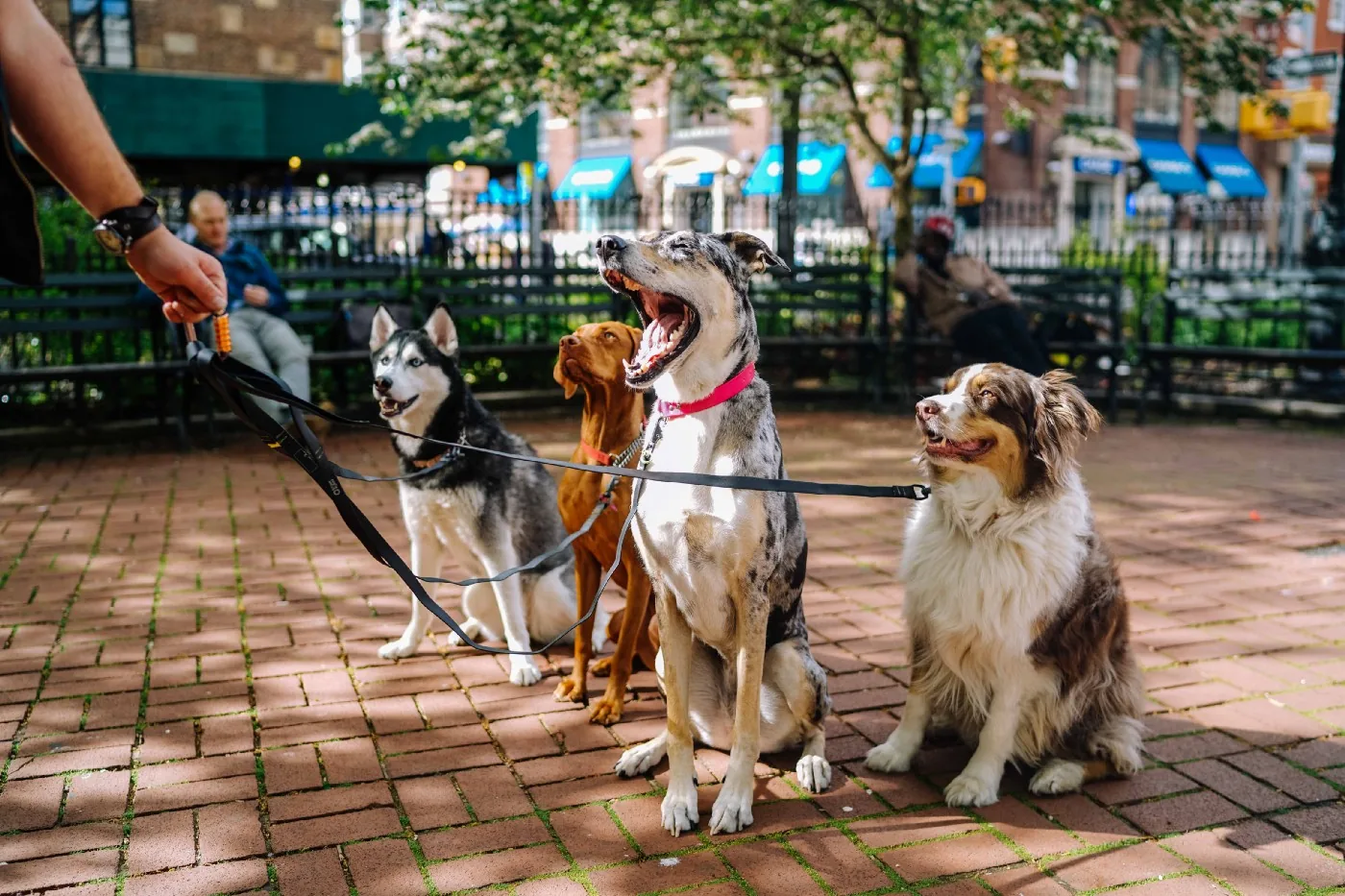
  • Group classes for social skills
  • Puppy courses to get started early

If you’re in the Klang Valley, you can compare options using this list of top dog trainers and puppy schools in Kuala Lumpur.

Don’t be shy about asking questions:

  • What training methods do you use?
  • Are you reward-based?
  • How do you handle aggression or anxious dogs?
  • Is there follow-up support if I need it?

Choose a program that teaches you how to keep things going at home. The trainer can give you a jump start, but your daily practice is what really cements the results.

Types of Training: Obedience, Behavior, and Beyond

You can train your dog for everyday manners, to fix specific issues, or even for sports and public outings. Each type has its own goal and methods, and what works best depends on your dog’s age, breed, and, well, personality.

Basic Obedience Training Methods

Obedience training is about control in real life. You’re teaching cues like sit, stay, down, come, heel, and leave it—all super useful in parks, markets, or condos around Malaysia.

Most trainers these days rely on positive reinforcement—that’s treats, toys, or just a happy “good dog!” when your pup gets it right. A lot of pros call this the gold standard, since it builds trust and keeps things low-stress. There’s a solid breakdown in this science-backed dog training methods guide.

You might want to try clicker training, too. It lets you “mark” the exact moment your dog does the right thing, which is great for fine-tuning skills like loose-leash walking.

Once your dog’s got the basics down, you could move up to advanced obedience—longer stays, off-leash recalls, or prepping for the Canine Good Citizen (CGC) test. CGC skills are all about staying calm around strangers, other dogs, and distractions.

Don’t rush it. Short, daily sessions are way better than marathon drills that leave both of you frazzled.

Behavioral Training for Common Issues

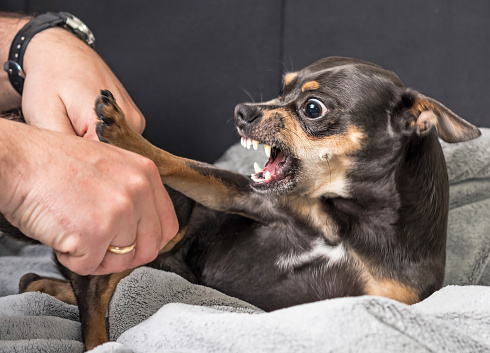
Behavioral training is for stuff like barking, pulling on leash, jumping up, aggression, or separation anxiety. The first step is figuring out what sets your dog off. Then you work on changing his reaction.

Say your dog barks at every other dog on walks. You’d use controlled exposure and rewards to teach him to stay calm. This usually means mixing classical conditioning with operant techniques.

Most trainers group these under structured approaches you’ll find in different types of dog training methods. The key? Use humane strategies that reduce fear instead of just shutting down the behavior.

Avoid harsh punishment—it might stop the behavior for a moment, but it can make things worse in the long run.

Serious behavior problems often need one-on-one sessions with a pro, especially if there’s biting or major anxiety involved. The sooner you tackle these issues, the easier they are to fix.

Agility Training and Canine Sports

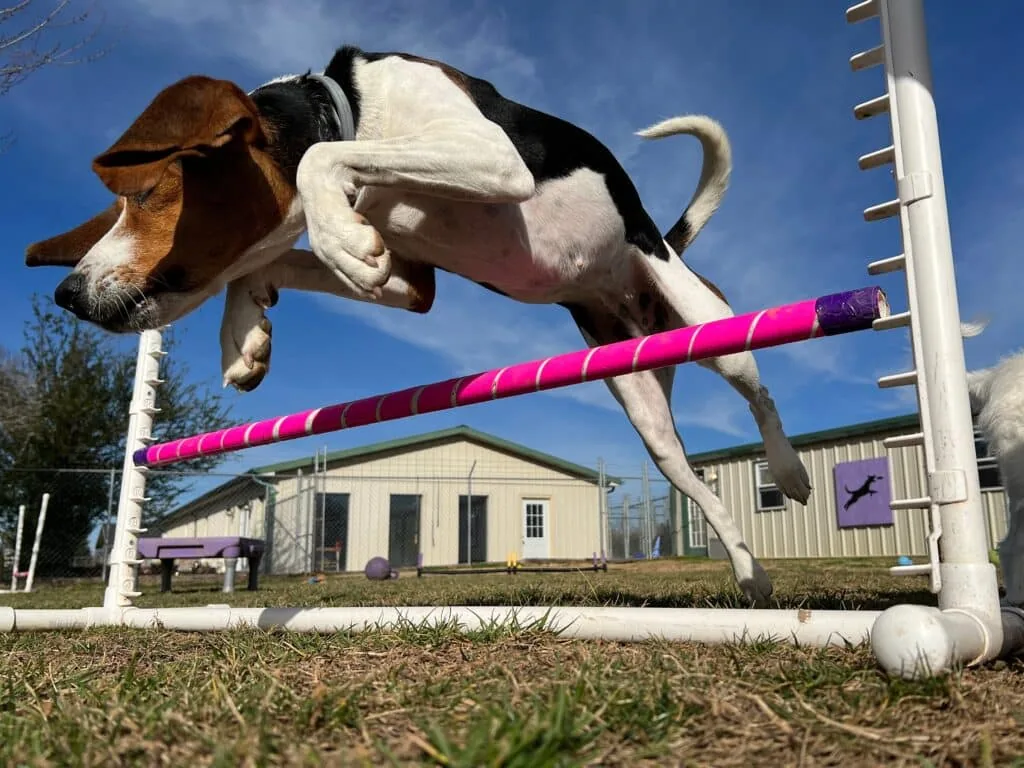
Agility training is a blast if your dog’s got energy to burn. You’ll teach him to zip through tunnels, jump over hurdles, weave through poles, and more.

It’s great for building focus and body control. Breeds like Border Collies, Aussies, and other working types usually love it, but honestly, any energetic dog can get into it.

Start with basic obedience—your dog needs a solid recall and stay before you hit the agility course.

There are plenty of structured programs listed in guides on popular dog training types, including agility and competitive obedience. These do take regular practice, so be ready to commit.

Agility isn’t just for competition, either. Local clubs in Malaysia let you join for fun, exercise, and bonding.

If your dog enjoys learning and moving, sports training is a fantastic way to channel that energy into something positive.

Puppy Training and Socialization in Malaysia

How your puppy acts as an adult starts with what you teach in those first weeks. Routines, early socialization, and consistent potty training all matter more than you might think.

Early Puppy Training Essentials

Start training your puppy as soon as he’s settled in—usually around 8 to 12 weeks. Focus on basic commands like sit, stay, come, and walking on leash.

Keep it short and sweet: 5 to 10 minutes, a couple of times a day.

Use tiny treats or just lots of praise. Stick to the same cues and tone. If you keep switching things up, your puppy’s just going to get lost.

If you want a bit more structure, you can sign up for programs like the Puppycom Smart Dog Training Course in Malaysia. Most centers take puppies from 3 months old and cover the basics for Malaysian homes and apartments.

Set house rules early. Decide now where your puppy sleeps and eats, and what’s off-limits. Don’t allow cute puppy habits that’ll be a headache when he’s grown.

Puppy Socialization Classes

Socialization is about teaching your puppy how to handle the world—people, animals, new places. The magic window is between 3 and 16 weeks old.

Expose your puppy to:

  • All kinds of people (kids, older folks, men, women)
  • Other vaccinated puppies
  • Everyday sounds—traffic, thunder, vacuum cleaners
  • Car rides, vet visits, you name it

Structured classes make this easier and safer. Programs like Puppy School at Jaya One, Petaling Jaya help puppies adapt to human life and learn the basics.

Always pick classes that require up-to-date vaccines. Skip crowded dog parks until your pup’s fully protected.

A good puppy class teaches you, too. You’ll learn to read dog body language, prevent fear, and stop rough play before it turns into aggression.

Potty Training Techniques

Potty training is all about routine. Take your puppy out:

  • First thing in the morning
  • After every meal
  • After naps
  • Right before bed

Young pups need to go every 2 to 3 hours, sometimes more.

Bring your puppy to the same spot each time. Use a cue like “toilet” and reward him right after he goes—don’t wait until you’re back inside.

If you’re in a high-rise, pee pads are fine for a while, but don’t rely on them forever. Long-term pad use can make outdoor potty training harder.

Clean up accidents with an enzyme cleaner. Regular soap won’t cut it—if your puppy can still smell it, he’ll go there again.

If there’s an accident, stay calm. Gently interrupt if you catch him, then guide him outside. Consistency and close supervision are your best friends here.

Top Dog Trainers and Schools in Malaysia

There’s no shortage of trainers in Malaysia—some come to your home, others handle behavior issues, and plenty run structured obedience classes. Some are all about hands-on experience; others stick to formal programs and small group sessions.

Dave Teoh Academy Highlights

At Dave Teoh Academy (KNINE DOG SERVICES), you’ll find a trainer who’s been at it since 2008. Dave Teoh’s worked with thousands of dogs and built a solid reputation around Kuala Lumpur and Selangor.

You can pick in-home sessions or go for a board-and-train program. Home visits usually last about 30 minutes, spread over several days—great for tackling issues where they actually happen.

For bigger problems like aggression, the academy offers longer board-and-train options. The kennel is outside the city, so dogs get a quieter place to focus.

They don’t post prices online, so you’ll need to reach out directly. If you want structured, experienced guidance, this is a solid place to start.

E-K9 Dog Training Overview

E-K9 Dog Training Center is based in Seri Kembangan and offers both small group and private sessions. The trainer, Eyson Teh, brings over 10 years of hands-on experience with all sorts of breeds.

You can sign up for:

  • Puppy basics
  • Obedience classes
  • Behavior modification
  • Agility sessions

They use reward-based methods, focusing on encouraging good behavior instead of punishing mistakes.

E-K9 doesn’t highlight formal certifications, which might matter if you’re looking for that. Still, plenty of owners say they’ve seen real progress in obedience and less anxiety after just a few sessions.

If you want flexible, small-scale training, E-K9 is a practical option.

Other Reputable Training Centers and Experts

All over Kuala Lumpur and Selangor, you’ll find centers offering structured obedience, behavior work, and specialty programs. Most focus on practical skills, clear methods, and matching your dog’s needs.

G-Pet’s Training Programs

At G-Pet dog training and obedience in Kuala Lumpur, you’ll train with a team that brings over 20 years of hands-on experience. They focus on respect and clear communication between you and your dog.

You can join obedience programs covering leash control, basic commands, and impulse management. They work with dogs of all ages, from puppies to adults who need a manners tune-up.

Key focus areas:

  • Basic obedience and listening skills
  • Correcting common behavior issues
  • Structured classes with real practice

You’ll work on these skills during class and keep at it at home. Staying involved is what really makes the training stick.

Puppycom Dog Training School Overview

Puppycom Dog Training School runs centers in Puncak Jalil, Selangor, and Taman Desa, Kuala Lumpur. They offer obedience, agility, flyball, and clicker-based programs.

They also have CGC (Canine Good Citizen) training, which is great if you want your dog to behave well in public. Perfect for city life, honestly.

Dogs are grouped by skill level, and you’ll move step by step—starting with sit, stay, recall, and leash skills, before tackling more advanced stuff.

If you want a mix of discipline and a bit of sport, Puppycom’s got you covered all in one place.

Leowonwhisperer’s Methods

Leowon Whisperer dog training in Selangor has a handful of training courses meant to help your dog’s temperament and general behavior. Their center leans on structured programs, all aimed at obedience and keeping behavior balanced.

You can sign up for their main training program, which is all about correcting those annoying habits—like pulling and jumping—while teaching your dog to stay calm. The trainers don’t just work with your dog; they actually walk you through how to handle things like leash pulling, jumping up, and poor impulse control.

Their approach usually looks something like this:

  • Setting clear rules and boundaries
  • Repeating the core commands
  • Teaching owners both during and after sessions

It’s not just a “drop your dog and forget it” deal. You’ll be learning how to keep up the good habits at home, so those old issues don’t sneak back in.

Popular Training Methods Used in Malaysia

Most dog trainers in Malaysia stick to clear signals, food rewards, and daily repetition. You’ll notice they use systems built around timing and simple commands you can use at home without much fuss.

Clicker Training Approach

A lot of trainers here use clicker training to mark the exact moment your dog does something right. It’s just a little device—a sharp click when your dog gets it right.

First, you “load” the clicker: click, treat, repeat about a dozen times so your dog gets the idea. After that, you click the second your dog sits, lies down, or makes eye contact, then hand over a treat. The click is basically you saying, yep, that’s what I wanted.

Some schools, like Puppycom Dog Training School in Malaysia, include clicker work in their obedience classes. Trainers use it for:

  • Sit and stay
  • Loose leash walking
  • Recall (come when called)

Timing is everything here. If you’re late with the click, your dog gets confused and progress slows down.

Reward-Based Strategies

Reward-based training is about giving your dog something it loves right after it does what you want. Most trainers go with food treats, but toys or a bit of praise work too.

Basically, you reward what you want to see again. If your dog sits quietly before a walk, you give a treat and open the door. It’s a simple cause and effect.

Plenty of centers highlight positive-only methods. For example, Andoes Canine Training in Malaysia runs reward-based programs that fit local lifestyles.

Here’s the basic structure:

  1. Give a clear command just once.
  2. Wait for your dog to do it.
  3. Reward right away.

Try not to yell or use physical corrections. Consistent rewards teach faster and keep your dog feeling safe. Over time, you can use fewer treats and just stick to praise.

Consistent Training Routines

Consistency matters way more than marathon sessions. Short blocks—maybe 5 or 10 minutes, a couple times a day—work best.

Stick with the same word for each command. Don’t bounce between “come,” “here,” and “come here.” Pick one and keep at it.

Programs like the 7-week structured dog training course in Kuala Lumpur and Petaling Jaya build habits through weekly sessions, but you’ll still need to practice daily at home.

Focus on:

  • Using the same command words
  • Same hand signals
  • Same timing for rewards

When you’re consistent, your dog learns faster and feels more confident. Patterns help your dog know what to expect—and that’s half the battle.

Advanced Training and Certification Programs

Advanced programs are for proving your dog’s skills and building real-world control. You’ll work on behavior standards, public manners, and skills that actually matter in parks, events, and competitions.

Canine Good Citizen Program Benefits

The canine good citizen program checks how your dog handles everyday stuff. Your dog needs to stay calm around strangers, accept grooming, walk nicely on a leash, and listen to basic commands.

You’ll also need your dog to stay chill around other dogs and sudden surprises. These tests really do reflect daily life here in Malaysia—think neighborhoods, pet-friendly malls, and busy parks.

Some training centers get dogs ready for formal assessments like the CGC competition training courses at Puppycom Dog Training School Centre Trainer Obedience CGC Malaysia. They break down each test item so you can practice step by step.

If your dog passes, you’ve got proof you’re a responsible owner. Plus, it helps build trust with landlords, neighbors, and anyone who prefers well-behaved dogs.

Advanced Obedience and Agility Courses

Advanced obedience training goes beyond the basics. You’ll work on longer stays, off-leash control, distance commands, and keeping focus even when there’s chaos all around.

Many programs use a mix of theory and hands-on practice, like the structured approach at the Dog Trainer Academy by Dave Teoh. This kind of training sharpens your timing, reward skills, and communication with your dog.

Agility training is a whole different ballgame. Your dog learns to dash through tunnels, leap over jumps, weave through poles, and handle ramps—all with speed and control.

Agility is great for building coordination and confidence. It’s also a fantastic outlet for high-energy dogs. If your dog’s bouncing off the walls at home, agility can really help channel that energy.

Tips for Success: At-Home and Professional Training

You’ll get the best results if you train on a regular schedule and actually track what your dog is learning. Small, daily efforts paired with consistent training are what shape reliable behavior over time.

Establishing Effective Training Schedules

Keep sessions short—10–15 minutes is ideal, two or three times a day. Dogs lose focus if you drag things out, especially in Malaysia’s warm, sticky weather.

Start with the basics:

  • Sit
  • Stay
  • Come
  • Down
  • Leave it

Try practicing before meals or walks. Dogs pay more attention when they know a reward is coming.

Use positive reinforcement. Treats, praise, or a quick play session right after your dog does what you ask—those work best. The AKC expert dog training tips explain why rewarding good behavior really sticks.

Keep your cues simple and don’t mix things up. If “down” means lie on the floor, don’t use it for “get off the sofa.” Everyone in your home should use the same words and hand signals.

If you’re working with a trainer, make sure your home practice lines up with their lesson plan. Daily repetition makes those pro sessions count for a lot more.

Tracking Progress and Addressing Challenges

Pay attention to what your dog can actually do in different places. A dog that sits in your kitchen might totally ignore you at the park.

Try a simple log like this:

Command At Home Outside With Distractions
Sit ✅ ✅ ❌
Stay ✅ ❌ ❌

This gives you a quick look at where you need to put in more work.

Make things harder slowly—add distance, longer waits, or mild distractions one at a time. The idea of “proofing” behaviors pops up in guides like Dog Training 101: How to Completely Train a Dog, which explains why dogs can struggle to generalize commands.

Deal with problems early. If your dog’s pulling on the leash or ignoring recall, go back to basics in a quiet space.

Try to stay calm. Your tone and body language matter more than you might think. Clear cues, steady rewards, and consistency are what drive real improvement.

Frequently Asked Questions

You’ll want solid info before picking a trainer or starting out at home. Here are some answers about methods, timelines, facilities, and qualifications that matter in Malaysia in 2026.

What are the most effective dog training methods used by Malaysian trainers in 2026?

Most professional trainers here use positive reinforcement—think treats, praise, or play for good behavior.

A lot of programs also emphasize structure and calm leadership. For example, Joe Dog Training in Ipoh is known for obedience and behavior programs rooted in dog psychology and balanced handling, as shown on the Joe Dog Training website.

Look for trainers who are upfront about their methods. If someone relies only on punishment or fear, it’s usually a red flag.

Could you recommend the top dog training facilities currently operating in Malaysia?

You’ll find plenty of respected trainers and puppy schools in Kuala Lumpur—check out listings like Kuala Lumpur’s top dog whisperers and puppy schools. Most offer group classes and one-on-one sessions.

In Perak, Joe Dog Training runs board-and-train and in-house programs, focusing on obedience, puppies, and behavior challenges.

Before you sign up, try to visit the place. Look at cleanliness, safety, and how the trainers interact with the dogs.

What key tips should owners consider for successful obedience training at home?

Stick to short sessions—10 to 15 minutes is enough. Train once or twice a day, and always use the same commands.

Simple words like “sit,” “stay,” and “come” work best. Reward your dog right away when they get it right.

Keep the rules steady every day. Guides like this complete dog training guide with 43 tips really stress consistency and clear communication.

Are there any breed-specific training programs available in Malaysia?

Some trainers do tweak their programs for certain breeds. For instance, working breeds like Huskies might need more leash work and mental stimulation.

Private trainers often adjust sessions for small breeds, guard dogs, or super high-energy pups. It’s worth asking if your trainer has experience with your dog’s breed.

Expect some changes in pace and exercises, but not a totally different system.

How long does it typically take to see significant progress in a dog's training routine?

You’ll usually spot small improvements within the first two weeks if you train every day. Basic obedience takes about six to eight weeks with regular practice.

Timelines depend on your dog’s age and what you’re working on. Most trainers say basic programs last around 6–8 weeks, as mentioned in the FAQ on the Joe Dog Training page.

Older dogs can absolutely learn new things—they just might need a little more time and patience.

What are the certifications or qualifications to look for in a professional dog trainer?

It's smart to look for trainers who've actually studied animal behavior or have legit certifications from recognized organizations. Honestly, hands-on experience with a mix of breeds and behavior challenges is just as important—maybe even more so, depending on your dog's needs.

Don't be shy about asking how they deal with things like aggression, fear, or leash pulling. A good trainer should be able to walk you through their methods step by step, and if they're dodging your questions, that's kind of a red flag, isn't it?

Definitely take some time to read through client reviews, and if you can, ask for examples or proof of their past work. It's just good sense before you decide to trust someone with your pup.