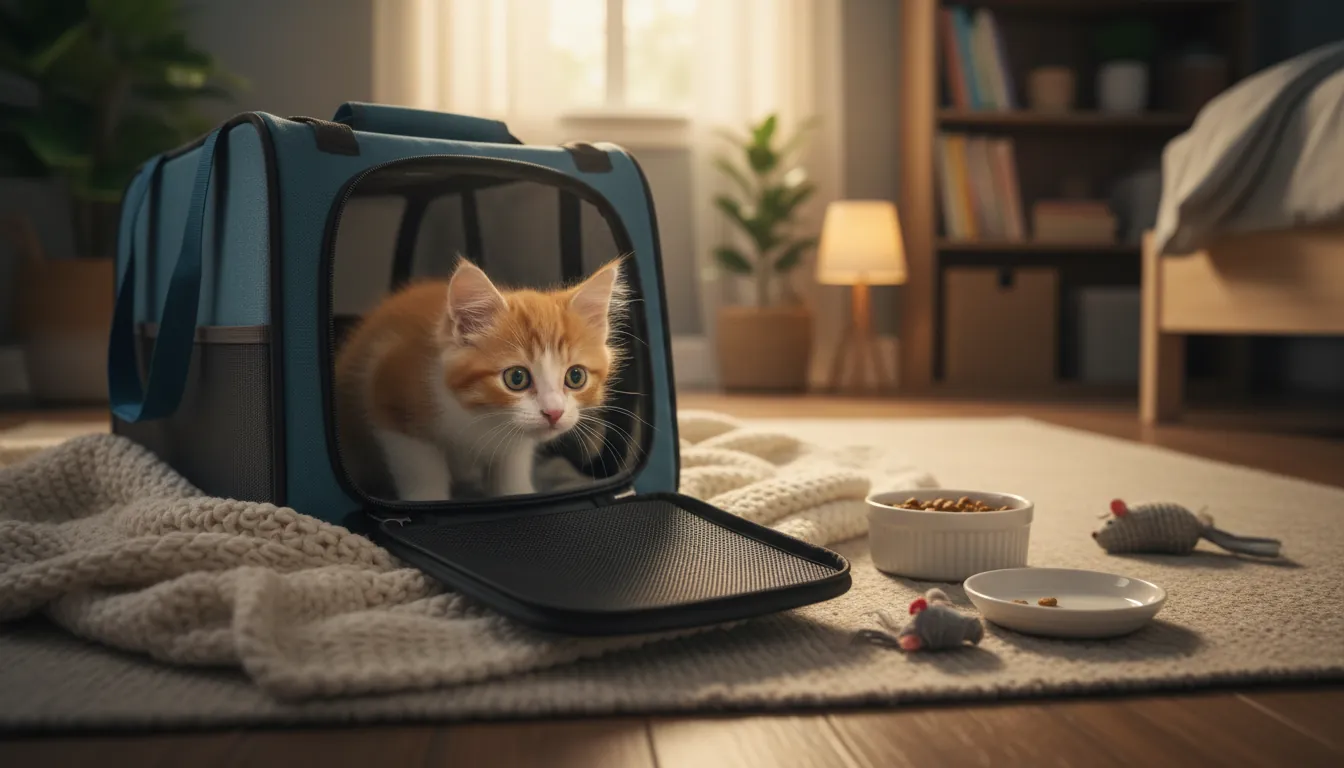

How to Introduce a New Cat to Your Home: Step by Step (2026)
Bringing home a new cat is so exciting, but it can be a bit stressful too. You want your new fur baby to feel safe and welcome from the very first minute. So, the way you handle these first few days really sets the tone for their future in your home.
To introduce a new cat to your home properly, you need to set up a quiet safe room and move at your cat’s pace. Slowly expand their access to the rest of the house over time. When you control the space and keep routines steady, you help your cat build confidence without the fear.
And if you already have other pets, you must guide those meetings with extra care. Slow, planned steps are the best way to prevent conflict. With a solid plan, you'll create a smooth transition and a bond that lasts a lifetime.
Key Takeaways
-
Prepare a quiet space and gather all your supplies before the cat arrives.
-
Let your cat adjust slowly and expand their territory bit by bit.
-
Build trust with steady routines and very careful pet introductions.
Preparing for Your New Cat's Arrival
Before bringing home a new cat, you need to get your space and routine ready. Clear planning makes the whole process much smoother for everyone. Here’s a quick look at what you’ll likely spend on basic supplies in Malaysia:
|
Item |
Estimated Cost (RM) |
|---|---|
|
Litter Box & Scoop |
RM20 – RM80 |
|
Quality Cat Food (Initial Stock) |
RM30 – RM100 |
|
Scratching Post |
RM30 – RM150 |
|
Carrier |
RM40 – RM120 |
|
Basic Toys |
RM10 – RM50 |
Note: All figures are estimates typically depending on the brand and shop location.
Assessing Your Household Readiness
Start by looking at your daily schedule. You need to make sure you have time for feeding, cleaning the litter, and play sessions. If you already have pets, remember that cats are very territorial and don't like sudden changes.
Talk to everyone in the house and set clear rules about doors and safe spaces. Small kids should learn to move slowly and keep quiet around the new arrival. It helps to have a quiet room ready before they even walk through the door.
Cat-Proofing Your Home
Walk through your home at a cat's eye level to find potential trouble. Look for loose wires, small objects, or anything unstable. Secure your electrical cords and put away things like hair ties or rubber bands.
But don't forget the hidden spots: block tight spaces behind the fridge or washing machine where a scared cat might hide. Also, make sure your windows have secure screens. Even the calmest cat might try to bolt if they get spooked in a new environment.
Setting Up the Ideal Space for Your New Cat
You should start with a small, quiet room that is all theirs. This "sanctuary" gives them privacy and easy access to their essentials. Here is a checklist for the perfect safe room:
-
A quiet location like a spare bedroom or office.
-
Separate areas for food and the litter box.
-
Safe hiding spots like cardboard boxes or covered beds.
-
Vertical space like a small cat tree or stable shelf.
Establishing a Sanctuary
Choose a low-traffic room and keep the door shut at first. This helps you introduce your cat without making them feel overwhelmed by a giant house. For the first few days, this one room is their whole world.
Spend short, calm visits in the room just sitting on the floor. Let the cat come to you when they feel ready. But never force them out of a hiding spot because they need to feel they have a safe exit.
The First Days: How to Welcome Your Cat
The first impression is everything. Focus on a safe trip home and a very quiet setup. Here is a timeline of what to expect:
|
Phase |
Focus Area |
Goal |
|---|---|---|
|
Day 1 |
Arrival & Safe Room |
Feeling secure in the sanctuary. |
|
Day 2–3 |
Settling In |
Eating, drinking, and using the litter box. |
|
Day 4–7 |
Short Exploration |
Sniffing outside the safe room door. |
|
Week 2+ |
Full Integration |
Slowly meeting other pets or family members. |
Transporting Your Cat Safely
Always use a hard-sided carrier with a comfy towel inside. Keep the carrier level in the car, ideally on the floor behind the front seat. And avoid loud music or sudden stops during the drive.
When you get home, take the carrier straight to the safe room before opening it. Let them come out on their own time. Some cats might bolt under a bed immediately, and that's perfectly okay.
Step-by-Step Introduction for a Multi-Cat Household
You need a very slow plan when introducing a new cat to others. Focus on scent first, then sight, and finally supervised contact. Here is how scent and visual stages differ:
|
Stage |
Method |
Success Sign |
|---|---|---|
|
Scent Swap |
Trading blankets or towels. |
Cats sniff items calmly. |
|
Visual Swap |
Using a baby gate or cracked door. |
Looking at each other without hissing. |
|
Short Contact |
Supervised time in a neutral room. |
Brief sniffing then walking away. |
Scent Swapping Techniques
Cats live through their noses, so start with smell before they ever see each other. Swap their bedding or rub a cloth on one cat’s cheek and leave it near the other cat. This builds a connection without any risk of a fight.
But here's a pro tip: feed both cats on opposite sides of a closed door. This makes them associate the other cat’s smell with yummy food. It’s one of the best ways to build a positive link early on.
Worried about unexpected vet bills? 🐾
With Oyen Pet Insurance, you can claim up to 90% of vet bills at any licensed clinic in Malaysia — from as low as RM30.60/month.
Policy terms and conditions apply.
Building Positive Associations and Reducing Stress
You want your cats to think "good things happen when that other cat is around." Use treats and play to keep everyone happy. Here are some tools to help:
-
High-value treats: Use Churu or small pieces of boiled chicken.
-
Wand toys: Great for keeping distance during play.
-
Pheromone diffusers: These release calming scents (typically RM60–RM180 for a starter kit).
Using Treats Strategically
Give treats whenever the cats see each other and stay calm. Keep these sessions very short, maybe just five minutes at a time. So, always end on a good note while everyone is still behaving.
But if things get tense, just back up a step. There is no shame in going back to scent swapping for a few days. Every cat learns at their own speed, so don't rush the process.
Establishing Routines and Socialization
Routines help cats feel in control of their environment. Consistent feeding and smart litter placement go a long way. Here is a sample schedule for a multi-cat household:
|
Time |
Activity |
|---|---|
|
Morning |
Scheduled meal in separate areas. |
|
Mid-day |
Short, individual play sessions. |
|
Evening |
Dinner and supervised "group" time (if ready). |
|
Before Bed |
Litter box scoop and fresh water. |
Healthy Territorial Habits
Cats need to feel they "own" parts of the house. You can help by adding vertical spaces like cat trees or window perches. This gives a nervous cat a way to escape without feeling trapped on the floor.
And make sure you have enough resources. The golden rule is one litter box per cat, plus one extra. This prevents "guarding" and reduces the chance of accidents around the house.
Troubleshooting Common Challenges
Setbacks are normal, so don't feel discouraged if there’s a bit of hissing. Here is how to handle common issues:
|
Problem |
What to Do |
|---|---|
|
Hissing or Growling |
Increase the distance between cats immediately. |
|
Hiding for 24+ Hours |
Ensure the safe room is very quiet and check food levels. |
|
Refusing to Eat |
Try extra smelly food or consult a vet if it lasts 24 hours. |
When to Call the Pros
If you see a real fight with fur flying or blood, it’s time to stop and restart from zero. Sometimes, an underlying health issue makes a cat more aggressive. So, a quick vet check (typically RM40–RM100 for a basic consultation) is always a good idea.
But if the tension doesn't go away, look for a certified behaviorist. They can help you spot things you might have missed in your home layout. It’s better to get help early before the cats decide they really don't like each other.
Frequently Asked Questions
How long does it take for a new cat to settle in?
It usually takes about three weeks for a cat to start feeling at home, but every cat is different. Some bold cats might be ready in a few days, while shy ones need a month or more. Follow the "3-3-3 rule": three days to decompress, three weeks to learn the routine, and three months to feel fully secure.
Can I just let my cats fight it out?
No, you should never let cats "fight it out" because they don't resolve conflict like humans do. A bad fight can cause permanent damage to their relationship and lead to lifelong fear or aggression. Always use a slow, supervised introduction to keep everyone safe.
What should I do if my resident cat stops eating?
If your resident cat stops eating, it’s a sign they are very stressed. Try moving their food bowl further away from the new cat's room or use high-value toppers to tempt them. If they don't eat for more than 24 hours, you should call your vet to rule out any medical issues.
Is it better to get two kittens at the same time?
Yes, getting two kittens from the same litter is often easier because they already have a bond. They can play together and keep each other company, which prevents boredom. But if you already have an older cat, adding one kitten is usually easier than adding another grumpy adult.
Where is the best place for the litter box?
Place the litter box in a quiet, low-traffic area where the cat won't be startled. Avoid putting it next to loud appliances like the washing machine or right next to their food. In a multi-cat household, make sure the boxes are in different locations so one cat can't "block" access to all of them.
How much does a vet checkup cost in Malaysia?
A basic consultation typically costs between RM40 and RM100 depending on the clinic and location. This usually covers a physical exam to check for common issues like ear mites or flu. Blood tests or vaccinations will be extra, so it’s always good to have a budget ready for the first visit.
Introducing a new cat is all about patience and giving them the space they need to shine. By following a slow, steady plan, you're building a foundation of trust that will make your home a happy place for years to come. You're doing a great job just by taking the time to learn the right way to do this for your fur babies.
Want to make sure your pet is covered for unexpected vet visits? Check your pet's eligibility now — it takes less than 2 minutes.
Related guide: Oyen Recommends: Best Pet Doors in Malaysia
Related guide: Beat the Shed: Easy Ways to Manage Pet Hair (and Why Pet Filters Help)