
Dog Parvovirus (Parvo) in Malaysia: Symptoms, Survival & Cost 2026
Parvovirus—usually just called parvo—is still one of the most serious viral diseases threatening puppies in Malaysia. It spreads like wildfire, attacking the intestines, and what starts as mild vomiting or diarrhea can spiral into a life-threatening situation within just a few days. If you’ve got a young or unvaccinated dog, honestly, the risk is real.
Here in Malaysia, with early vet intervention, parvo survival rates can hit around 90%. But, let’s be frank: treatment isn’t cheap. Depending on how sick your dog is and how long they need to stay at the clinic, you could be looking at bills in the thousands of ringgit. Without proper care, the odds of survival drop fast. That’s why acting quickly is everything.
You’ll want to understand how parvo spreads, what warning signs to look out for, what treatment actually involves, and how much you might need to set aside for 2026. Having the right info could save your dog’s life—and maybe your wallet, too.
Key Takeaways
- Parvo spreads easily and can get serious in as little as 24–48 hours.
- Getting to the vet early makes a massive difference in survival rates.
- Vaccination and good hygiene are still your best bets for protection.
What Is Dog Parvovirus (Parvo)?
Dog parvovirus—or parvo for short—is a nasty, highly contagious virus that attacks your dog’s intestines and immune system. It moves quickly, especially through unvaccinated puppies, and can become life-threatening before you know it.
Parvovirus Strains and Variants
Canine parvovirus (CPV) showed up in dogs back in the late 1970s. The main troublemaker these days is CPV-2, but there are a few offshoots: CPV-2a, CPV-2b, and CPV-2c.
In North America, CPV-2b is the usual suspect, but CPV-2c is starting to pop up more, according to this canine parvovirus infection overview. Thing is, all these variants cause pretty much the same illness—there’s no solid evidence that one is worse than the others.
All strains spread through infected poop. The virus can stick around for months in the environment, especially here in Malaysia where it’s warm and humid. You might not even realize you’re tracking it around—shoes, hands, cages, food bowls, clothes, you name it.
Parvo hits young dogs hardest, especially those between 6 weeks and 6 months old. If your puppy isn’t fully vaccinated, that’s a big red flag.
How Parvovirus Impacts Dogs
Parvo goes after cells that divide quickly—mainly the lining of your dog’s small intestine and, worryingly, the bone marrow.
When it attacks the intestines, you get parvoviral enteritis. That usually means sudden vomiting, nasty diarrhea, weakness, and a total loss of appetite. Bloody stools are common.
The bone marrow damage drops your dog’s white blood cell count, making them way more vulnerable to infections and sepsis. If you don’t get treatment, dehydration and shock can set in fast.
Symptoms usually show up 5 to 7 days after infection, according to PetMD’s parvo guide. Some dogs get off easy, but most get very sick within 24 to 48 hours of their first symptoms.
Humans can’t catch parvo from dogs, but it’s easy to bring the virus to other dogs if you’re not careful with cleaning and disinfecting.
Key Facts About Parvovirus in Malaysia
Parvo’s still a big problem here, especially in places with lots of stray dogs or crowded shelters. Our hot, humid weather helps the virus stick around outside for ages.
A few things you should know:
- Transmission: Mainly through infected poop or anything that’s touched it
- High-risk dogs: Puppies, unvaccinated dogs, and those from pet shops or shelters
- Shedding period: Dogs can spread the virus before they look sick and for days after they seem better
- Prevention: Get those vaccines on time and keep things clean
Vets usually diagnose parvo with a fecal antigen test—a quick check that can confirm infection in minutes, so your dog can be isolated right away.
Vaccination is your best defense. Puppies need a series of shots starting at 6–8 weeks, plus boosters. Malaysian vets really stress finishing the full schedule. Skipping doses leaves your dog exposed.
How Parvovirus Spreads Among Dogs
Parvo isn’t just about sick dogs touching each other. It’s the virus itself you need to worry about. Once you understand how CPV-2 gets around—from your yard to public parks—you’ll see why it’s so tricky to avoid.
Common Modes of Transmission
Canine parvovirus (CPV-2) is shed in huge amounts in the poop and vomit of infected dogs.
Your dog can pick it up by sniffing, licking, or even eating contaminated feces. The virus enters through the mouth and heads straight for the intestines.
Other ways parvo spreads:
- Contaminated grass, soil, or sidewalks
- Shoes, clothes, and hands
- Food and water bowls, cages, bedding
- Grooming tools, kennel surfaces
It doesn’t float through the air, but it hangs around on surfaces and in soil for months—even after you can’t see any waste, as this parvo spread guide explains.
And here’s a scary thought: dogs can shed the virus before they look sick.
Contamination Risks in Malaysia
Malaysia’s climate is, unfortunately, perfect for parvo. The virus can survive in soil and shady outdoor spots for ages. If you frequent places where lots of dogs go, the risk goes up.
Watch out for:
- Urban dog parks
- Boarding kennels, pet hotels
- Groomers
- Pet shops with puppies
- Public parks and walking trails
Rain might wash away visible poop, but the virus can stick in the soil. Your dog doesn’t have to see or sniff feces to get infected.
Even if your pup never leaves the house, you could bring the virus in on your shoes. That’s a bit unsettling, right?
For more on how dogs get exposed even without direct contact, check out this read on how parvovirus is contracted.
Factors Affecting Susceptibility
Not every dog is at the same risk. The big factors are age, vaccination status, and immune health.
Puppies under six months are most at risk. Their immune systems are still ramping up, and the protection from their mom’s antibodies fades pretty quickly.
If your dog isn’t fully vaccinated, they’re wide open to infection. Getting all the recommended shots is still the best way to dodge severe disease, according to the AVMA on canine parvovirus.
Stress, poor diet, and overcrowding don’t help either. Dogs in shelters, breeding facilities, or multi-dog homes are exposed more often.
Finish the full vaccine series and you’ll drop the risk of serious parvo, but it’s still smart to avoid high-risk places until your vet says your dog’s fully protected.
Parvovirus Symptoms and Stages
Parvo moves fast—sometimes scarily fast. It hits the guts and immune system hard. Spotting early symptoms and knowing how things can go downhill is crucial.
Early Warning Signs of Parvo
At first, parvo can seem mild. Your dog may just be a bit off—less playful, sleeping more, or just not themselves.
Watch for these early signs:
- Not eating much (or at all)
- Mild vomiting
- Low energy, acting tired
- Fever (sometimes, it’s actually a low temperature)
You might notice your puppy skipping meals or ignoring treats. With parvo, these changes often come on quickly—sometimes in just a day or two.
Vomiting usually starts out clear or yellow. Some dogs act like their belly hurts—arched back, tucked tail, that sort of thing.
By this point, the virus is already damaging the intestines and bone marrow. The MSD Vet Manual lists anorexia, lethargy, vomiting, and diarrhea as the first clinical signs. If you’re seeing these, it’s time to call your vet—don’t wait.
Progression and Advanced Symptoms
As parvo gets worse, the symptoms are hard to ignore. Vomiting ramps up and can start showing blood.
Diarrhea turns watery, often bloody, and the smell—well, you’ll know it if you smell it. It’s one of the classic parvo signs.
You might also see:
- Weight dropping fast
- Signs of dehydration (dry gums, sunken eyes)
- Weakness or even collapse
- Pale gums
Some dogs can barely stand. Puppies, especially, go downhill quickly—they just don’t have the reserves to fight back.
The virus shreds the intestinal lining, leading to all that vomiting and diarrhea. PDSA’s parvo guide explains this well. Without treatment, dehydration and shock can set in within days. At this point, you need emergency vet care—IV fluids, meds, the works.
Stages of Parvovirus Infection
Parvo tends to follow a pretty clear pattern, although the timeline can shift a bit.
| Stage | What Happens | What You See |
|---|---|---|
| Incubation (3–7 days) | Virus multiplies inside the body | No obvious symptoms |
| Early Stage | Intestinal damage starts | Lethargy, vomiting, appetite loss |
| Acute Stage | Major gut injury, immune system suppressed | Bloody diarrhea, weakness |
| Recovery | Body starts to win (with treatment) | Appetite and energy slowly come back |
During incubation, your dog looks totally normal but could already be spreading the virus.
The acute stage is the scariest. Most dogs get really sick between days 4 and 10 after exposure. For a deeper look, check out this breakdown of the stages of parvo.
If your dog pulls through the worst stage and gets proper care, recovery starts when vomiting slows and stools firm up. Don’t let your guard down, though—they can still shed the virus for days after looking better.
Diagnosis of Parvovirus in Malaysia
Vets in Malaysia diagnose parvo using your dog’s history, a physical exam, and a few lab tests. Quick testing is key—it confirms parvo and lets the vet start urgent treatment right away.
Veterinary Tests and Procedures
Your vet will ask about your puppy’s age, vaccine history, and if they’ve been near other dogs. Puppies under six months who aren’t vaccinated are at the top of the risk list.
During the exam, your vet will check for fever, dehydration, belly pain, and weakness. Bloody diarrhea and repeated vomiting are big red flags for parvo.
Most clinics use a fecal antigen test they can run in-house. It’s fast—results in minutes—and is the standard for diagnosing canine parvovirus.
Other tests your vet might order:
- Complete blood count (CBC) to check white blood cells
- Electrolyte panel to look for dehydration and salt imbalance
- PCR testing (less common, but useful if needed)
Low white blood cell counts are typical in parvo and usually mean a tougher case ahead.
Identifying Parvovirus Complications
Parvo does a number on the intestines, and if you wait too long, things can get really serious.
Vets keep an eye out for:
- Severe dehydration
- Sepsis (blood infection)
- Low blood sugar (especially in tiny puppies)
- Electrolyte imbalances
- Shock
If your puppy has pale gums, weak pulses, or collapses, that’s an emergency—straight to hospital care.
Blood tests help spot infections and organ stress early. Ongoing vomiting and diarrhea can crash potassium and blood sugar levels.
In rare cases, parvo can even hit the heart muscle in very young puppies. Vets will watch for odd breathing or heart rhythms.
Early testing and close monitoring give your dog the best shot at survival. If your puppy’s condition changes, even just a little, your vet will tweak fluids, meds, and supportive care as needed.
Worried about unexpected vet bills? 🐾
With Oyen Pet Insurance, you can claim up to 90% of vet bills at any licensed clinic in Malaysia — from as low as RM30.60/month.
Policy terms and conditions apply.
Treatment and Supportive Care Options
Treating parvo is all about supporting your dog while their body fights off the virus. Vets focus on stabilizing dehydration, controlling vomiting and diarrhea, and fixing any electrolyte issues caused by parvoviral enteritis.
Hospitalization and Intensive Care
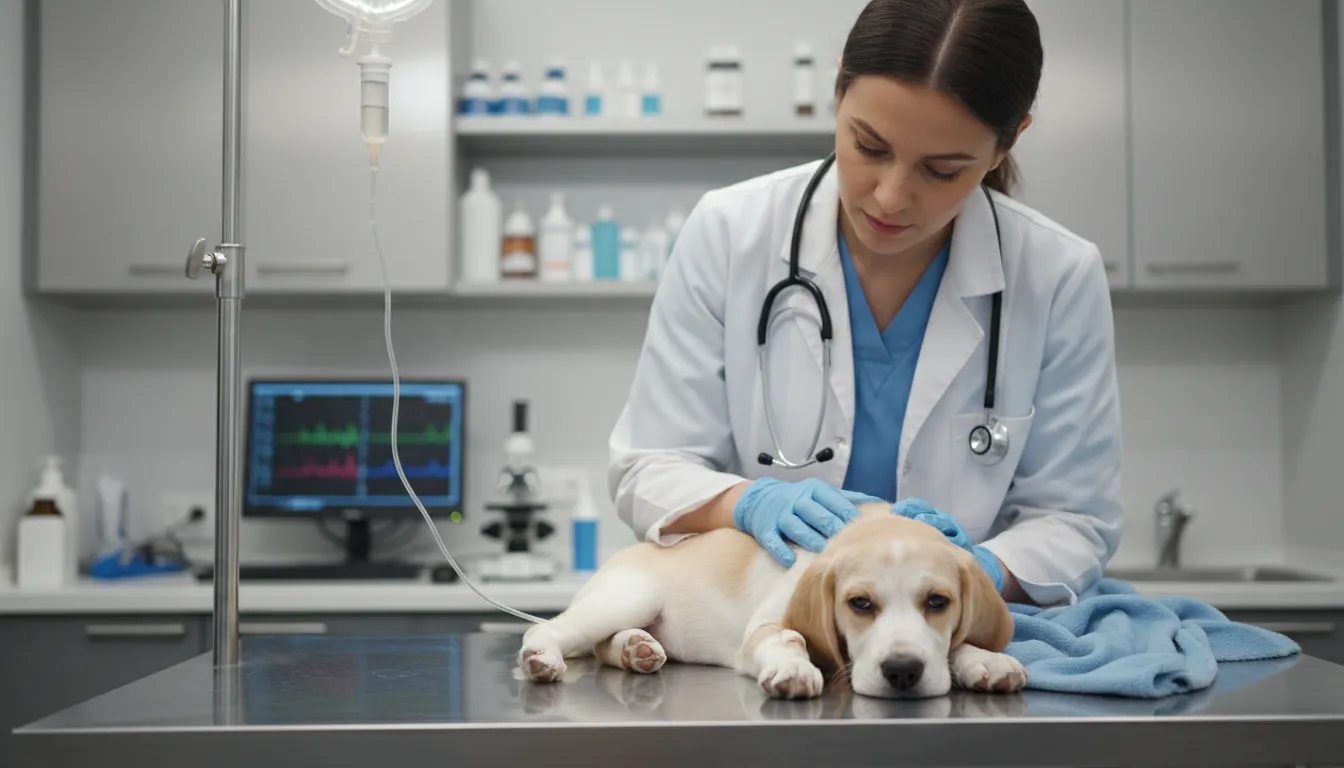
Most puppies with moderate or severe parvo end up needing to be hospitalized. Vets will usually admit your dog for close monitoring and quick treatment—there’s just no way around it if things look bad.
Treatment typically includes:
- IV fluids to fix dehydration
- Electrolytes added to those fluids
- Anti-vomiting meds to help with nausea
- Antibiotics to stop secondary bacterial infections
- Pain relief if your pup’s belly is sore
Parvo attacks the intestinal lining, which lets bacteria slip into the bloodstream. That’s why antibiotics are standard, even though parvo itself is a virus.
Survival odds really go up if you get treatment started early. Most clinics see better results when puppies get fluids within the first 24–48 hours of symptoms, as mentioned in this guide on parvovirus in puppies in Malaysia.
Your vet will check temperature, heart rate, blood sugar, and hydration several times a day. Some pups need to stay in the hospital for 3–5 days.
Home Isolation Guidelines
If your dog is stable enough, your vet might let you handle part of the care at home. But you’ll have to stick to strict isolation rules—no exceptions.
Keep your dog in a small, easy-to-clean area. Skip the carpet and shared spaces. Use separate bowls, bedding, and cleaning supplies.
Clean everything with a diluted bleach solution (1 part bleach to 30 parts water). Parvo can survive for months in the environment, especially if it’s warm and humid.
Wear gloves when handling stool or vomit, and seal any waste in plastic bags. Always wash your hands with soap after any contact.
Don’t let your dog near others until your vet gives the all-clear. Even after symptoms fade, your dog can shed the virus for days.
Managing Electrolyte Imbalances
Electrolyte imbalances are super common with parvo. Vomiting and nasty diarrhea cause big losses of sodium, potassium, and chloride.
Low potassium can make your puppy weak and slow their heart. Low blood sugar can cause tremors or even collapse, especially in tiny pups.
Your vet will fix these issues by:
- IV fluids with added electrolytes
- Dextrose if blood sugar drops
- Regular blood tests to adjust the plan
Don’t try to fix these imbalances at home with sports drinks or salt mixes. They’re just not right for dogs with parvo.
Close monitoring really matters. When your dog keeps up normal hydration and stable blood values, recovery gets a lot more likely.
Survival Rates and Recovery Outlook
Early treatment can honestly make all the difference for puppies with parvo. How quickly you get veterinary care often decides whether your dog pulls through and how well they bounce back.
Factors Influencing Survival
With quick and intensive care, 70–90% of dogs survive canine parvovirus, according to published survival data and reviews like this overview of parvo survival rates in treated and untreated dogs.
Without treatment, most infected puppies die from dehydration, shock, or secondary infection.
A few things make a big difference:
- Age: Puppies under 6 months are at the highest risk.
- Vaccination: Unvaccinated dogs usually get hit harder.
- How fast you get help: Getting care within 24 hours of severe vomiting or diarrhea really boosts survival.
- White blood cell count: Very low counts mean a weaker immune system.
- Access to hospital care: IV fluids, anti-nausea meds, and antibiotics all help outcomes.
If your puppy gets through the first 3–4 days, the odds of recovery go way up. Most fatalities happen early on.
Typical Recovery Timeline
Parvo moves fast. After exposure, symptoms usually show up in 3–7 days.
The worst period is the first 72 to 96 hours after severe symptoms start. During this stretch, your dog might need IV fluids, electrolyte support, and lots of monitoring.
If things improve, you’ll probably notice:
- Vomiting stops first
- Diarrhea gets less watery and less bloody
- Appetite starts to come back
- Energy improves over several days
Many dogs leave the hospital in 4–7 days, but it depends on how sick they were. Full recovery at home can take two weeks or more. Your dog might lose weight and need small, frequent bland meals while healing.
Limit stress and keep your dog away from public places until your vet says it’s safe.
Long-Term Effects After Parvo
Most dogs that survive parvo go on to live normal lives. The virus doesn’t usually stick around once it’s cleared.
Still, some dogs end up with:
- Chronic sensitive stomach
- Poor weight gain in the first few months after being sick
- Mild, on-and-off diarrhea, especially during stress
In rare cases, very young puppies can develop heart muscle damage if the virus hits the heart. Luckily, this is less common now thanks to vaccines.
Your vet might recommend restarting or finishing the vaccine series after recovery. And don’t slack on hygiene—parvo can survive in the environment for months, especially in Malaysia’s warm, humid weather.
Costs of Parvovirus Treatment in Malaysia
Treating parvo in Malaysia can cost anywhere from a few hundred to several thousand ringgit. The final bill depends on how early you get help, how sick your dog is, and whether they need to stay in the hospital.
Typical Veterinary Expenses
You’ll pay for both diagnosis and supportive care. Most clinics start with a consult and a parvo test.
Initial tests usually run RM150–RM300, based on parvo treatment cost figures. If your vet adds blood work, X-rays, or an ultrasound, it’ll cost more.
Treatment is all about stabilizing your dog. There’s no direct cure for the virus.
Common charges include:
- IV fluids for dehydration
- Anti-vomiting meds
- Antibiotics to prevent secondary infection
- Pain relief and monitoring
- Hospitalization fees per day
In Malaysia, mild cases treated early might cost around RM1,000–RM2,000. But severe cases with longer hospital stays can go over RM4,000–RM5,000, especially in big cities. Reports on parvovirus care in Malaysia show costs jump quickly if you delay treatment.
The longer your dog stays admitted, the higher your bill climbs.
Insurance and Out-of-Pocket Options
Most pet insurance plans in Malaysia list parvo as a vaccine-preventable disease. That means a lot of policies won’t cover it.
Some Malaysian providers are pretty clear that parvovirus isn’t covered, as explained in this guide to parvovirus care and exclusions. Always check your policy before assuming you’re covered.
If insurance doesn’t help, you’ll have to pay out of pocket. Some clinics let you pay in installments, but that depends on the place.
You can lower your financial risk by:
- Keeping up with vaccinations
- Avoiding outdoor areas before your dog’s fully vaccinated
- Going to the vet as soon as you notice vomiting or diarrhea
Early action usually means a shorter hospital stay. And shorter stays mean lower bills.
Prevention and Vaccination Strategies
You can prevent most parvo cases with solid vaccination routines and good hygiene. Timing, booster shots, and keeping your puppy’s environment safe all matter.
Canine Parvovirus Vaccine Schedule
The canine parvovirus vaccine is part of the core DHPP series. In Malaysia, vets usually start vaccinating at 6–8 weeks old.
Your puppy gets repeat shots every 3–4 weeks until about 16 weeks. This timing is key, since maternal antibodies can block the vaccine if you give it too soon.
A typical schedule:
| Age of Puppy | Vaccine Given |
|---|---|
| 6–8 weeks | First DHPP (includes parvovirus vaccine) |
| 10–12 weeks | Second DHPP |
| 14–16 weeks | Final puppy DHPP |
The canine parvovirus vaccination is a core vaccine because it protects against a highly contagious, life-threatening virus.
If you adopt a puppy with no records, just assume they’re unvaccinated and restart the full series.
Booster Shots and Immunity
After the initial series, you’ll need booster shots to keep up immunity. Most vets recommend a booster one year after the last puppy dose, then every 1–3 years based on risk and clinic policy.
Parvo spreads easily through contaminated poop and surfaces. It causes severe vomiting and diarrhea—sometimes deadly, especially in young dogs, as explained in this parvovirus overview.
Immunity doesn’t happen overnight. Your dog needs about 7–14 days after the last shot to build solid protection.
If you miss a booster, call your vet. You might need a repeat dose to stay covered.
Hygiene and Environmental Control
Vaccination works best when you also limit exposure. Parvo spreads through infected poop, contaminated ground, cages, shoes, and bowls.
In Malaysia, the virus sticks around for months in warm, humid weather. It spreads fast in high-risk areas, as noted in this Malaysian parvo guide.
You should:
- Keep unvaccinated puppies indoors only
- Avoid parks, condo gardens, and pet cafes
- Disinfect floors with diluted bleach (1:30 ratio)
- Leave shoes at the door before entering puppy areas
- Wash food and water bowls daily
These steps help protect your puppy during their most vulnerable weeks.
Frequently Asked Questions
Parvo spreads quickly, causes nasty stomach problems, and can rack up high treatment costs if you wait too long. Fast action, strict isolation, and full vaccination give your dog the best shot at survival.
What are the initial signs of canine parvovirus infection?
Usually, you’ll spot sudden tiredness and loss of appetite first. Your puppy might skip meals and just seem off or weak.
Within 24 to 48 hours, vomiting and watery diarrhea start up. The stool might have a strong, foul smell and sometimes blood.
You might also notice fever, pale or dry gums, and signs of dehydration. If vomiting or diarrhea lasts more than half a day in a young puppy, get to the vet right away.
How long does the parvovirus survival period last in dogs?
Parvo acts fast. After exposure, symptoms typically show up in 3 to 7 days.
The most dangerous period is the first 3 to 4 days after severe vomiting and diarrhea begin. If your dog gets through this stage with treatment, chances of recovery improve a lot.
Without treatment, survival rates are extremely low in puppies. Survival data show that medical care makes a huge difference.
What is the estimated treatment cost for a dog diagnosed with parvo in Malaysia?
In Malaysia, expect to pay several thousand ringgit for treatment. Mild cases caught early may cost less, while severe cases needing hospitalization can go over RM4,000 to RM5,000.
Costs depend on IV fluids, blood tests, medication, and how long your dog stays at the clinic. A detailed breakdown of parvovirus treatment cost in Malaysia shows that hospital care is usually the biggest expense.
Early treatment often lowers both risk and total cost.
Are there any new vaccination protocols for parvo in dogs specific to Malaysia?
Malaysia mostly sticks to standard core vaccination guidelines. Vets use the DHPP vaccine, which covers parvo plus other serious diseases.
Puppies usually get a series of shots starting around 6 to 8 weeks old, followed by boosters every few weeks up to about 16 weeks. After that, you’ll need yearly boosters.
There aren’t really any unique national protocols just for Malaysia, but your vet might adjust timing based on your dog’s risk and health history.
Can a dog that has recovered from parvo get infected again?
Most dogs that bounce back from parvo end up with pretty solid immunity—sometimes it sticks around for years. Still, it’s not a total guarantee.
Getting reinfected isn’t the norm, but it can happen. If your dog’s immune system takes a hit later on, or if those early vaccines weren’t finished, the risk goes up a bit. Some vets might suggest starting the vaccine series over or adding a booster just to be safe.
And don’t forget: it’s important to clean and disinfect your home thoroughly. Parvo can stubbornly hang around in the environment for months, which is honestly kind of unsettling.
What are the recommended isolation practices for a dog with parvo to prevent spread to other animals?
First things first—keep your dog in a closed-off space that’s easy to clean. Honestly, a tiled room or laundry area works best. Whatever you do, don’t let them near your other pets, even for a second.
Make sure you’re using separate food and water bowls, bedding, and even cleaning supplies just for your sick pup. When it comes to disinfecting, diluted bleach is still the gold standard. Just make sure you’re using it properly, since that’s about the only thing that’ll knock out the virus on surfaces.
If you have to handle any stool or vomit (and, let’s face it, you probably will), definitely wear gloves. Bag up any waste right away and toss it in the trash outside. And, of course, wash your hands thoroughly every single time—no shortcuts here.